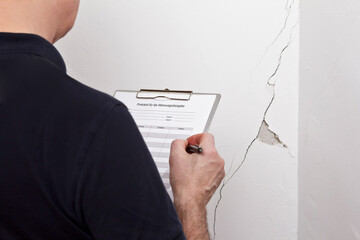
Home Inspector Boerne, TX often finds issues that could cost buyers tens of thousands of dollars. These problems can be deal-breakers and stall the home buying process.
Inspectors also flag tripping hazards and things like old carbon monoxide detectors. They might note the presence of outdated electrical wiring, too, which can’t accommodate modern appliances.
Foundation
A home isn’t just a roof over your head; it’s also an investment, a gathering place for family and friends, and a central part of your life. Whether you’re buying a fixer-upper or a new build, every house has its own set of issues. Some problems are minor, but others can be serious and costly. Foundation damage is one such problem. It can wreak havoc on the whole structure and make that dream home feel like a money pit.
A good inspector will spot these warning signs in a report and recommend further evaluation by a structural engineer. They may also recommend that the seller address these problems before you sign on the dotted line.
You should also expect an inspection to flag a number of safety issues, from tripping hazards in the driveway or stairs to lack of smoke or carbon monoxide detectors. While these aren’t likely to cause a fire or flood, they could result in injury and should be addressed promptly.
Other items that inspectors typically flag include a roof that’s in disrepair, serious plumbing defects or a faulty electrical system. These items can be expensive to repair and can impact the house’s resale value and safety.
If a potential property has a poor water drainage system, causing it to pool near the foundation, this is another major red flag. This can lead to cracks, a wet basement or mold problems.
Another issue that home inspectors often see is sagging or slanting floors. These can be a sign of a foundation problem, which isn’t usually easy to detect and requires an extensive evaluation by a structural engineer.
Other warnings that home inspectors commonly flag include asbestos, lead paint and radon gas. These aren’t easy to notice, but they can put your health at risk and can be very expensive to remediate. It’s worth the extra expense to find out what’s lurking under that beautiful exterior.
Windows
A home inspection is a non-invasive visual review of a property’s major systems and structures to spot issues that require professional correction. While some issues are big enough to halt a sale or impact mortgage approval, other concerns may be small but significant for the health and safety of occupants.
Foundation cracks, shifting floors, and sloping walls suggest structural shifts that could impact long-term stability or require costly repairs. Inspectors also look for faulty drainage, flooded crawl spaces, or excessive moisture that could be a sign of a serious leak.
Leaky pipes, water stains on ceilings or walls, and faulty appliances like old water heaters signal plumbing problems that can be costly to repair. Older piping materials like lead or polybutylene can be more likely to fail, and outdated wiring is a major safety risk. Inspectors look for missing GFCI outlets, improper grounding or electrical panel overage, and other code violations.
Termite and other wood-destroying insect activity may weaken beams, joists, or framing, prompting lenders to require a termite report and possibly delay loan approval. Pest droppings, a musty smell, or hollow sounding wood can all be indicators that professional pest control treatment is required.
Environmental issues such as elevated radon levels or hidden mold often trigger inspection failures and require professional remediation. Older homes built prior to 1980 may contain asbestos in insulation, textured ceiling materials, or plumbing fixtures. A professional test is typically required to identify the presence of asbestos, and licensed professionals must safely remove or replace it.
Gutters
The roof and gutters are two parts of a home that can make or break its value. That’s why they’re often inspected during the pre-purchase process. A well-maintained roof and gutters can help a home hold its value, while poorly maintained ones can erode the foundation and lead to serious water damage, according to Hippo. A trusted inspector can help you avoid major costly repairs in the future, and a solid inspection report is an excellent bargaining tool during negotiations with sellers.
A lot of people can clean their own gutters, but some jobs require professional help. For example, if your gutters are bent or rusted, you’ll need to replace them. You can also get a professional to reshape your gutter system, repair leaks, and install downspout extensions that carry water away from the house. Gutter cleaning and maintenance can be a dangerous job, especially for those who don’t have ladder safety training, so it’s best to leave the work to professionals.
Another common issue inspectors flag is clogged or overflowing gutters, which often cause structural problems like foundation cracking. Homeowners can avoid this by cleaning their gutters on a regular basis, and they can also install leaf guards to prevent debris from entering the system.
Inspectors also look for gutters that sag or pull away from the house, as this indicates they’re ill-fitting. They may also check to see that your gutters channel water at least 6 feet away from the foundation walls, and if they don’t, this is an indication of serious drainage issues that will require system replacement.
A sagging gutter system can also cause ice dams in the winter, so you’ll need to fix or replace it as soon as possible. Additionally, gutters with downspouts that dump water too close to the house can lead to foundation damage. To avoid this, you should have your downspouts extended at least 3-4 feet away from the house.
Electrical
Home inspectors will often flag issues with a home’s electrical system, including outdated wiring or problems with GFCI outlets. These are major safety concerns that can lead to house fires or electrocution. They can also affect a home’s value and insurance costs, and may require costly repairs to bring them up to code.
A home’s electrical system is one of the most complex systems in the house, and can be the source of many different problems. Licensed electricians can repair and replace these components, making them safer to use. A well-maintained electrical system can boost a home’s value, and prevent serious problems like tripping or fire hazards.
Older homes are especially prone to having wiring that has lived its life and is nearing the end of its safe operating period. Inspectors will flag any dated wiring in a home, and recommend replacement. Modern wiring is less likely to cause fires and is more reliable than older types.
Inspectors will also look at a home’s electrical panel, where the wires in the house come together and are distributed. They’ll check the labeling, breaker size and layout, and look for any signs of overheating, such as a burning smell or frequent breaker trips. Inspectors will also note whether the breaker box has AFCI protection, which is required in living areas to sense hazardous arcing and cut power.
Finally, inspectors will look at any evidence of pests, such as termites or squirrels, chewing through wires or creating nests in the walls. This can be a major red flag for buyers and should be addressed before listing a home.
Understanding what will fail an electrical inspection can help homeowners and builders make the right decisions about upgrades. Some items need immediate attention, while others can wait for planned improvements. Knowing what’s important will save time, money and stress when it comes to the inspection process. Having a plan in place for dealing with the electrical problems flagged by a home inspection will make the process easier and ensure that the system is up to code for years to come.