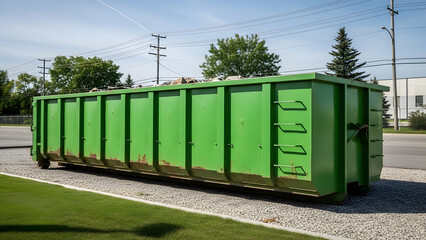
Dumpster Rental Paris TX is an essential service for managing waste during residential, commercial, and construction projects. Whether clearing out a home, remodeling a kitchen, handling a roofing project, or managing debris at a construction site, renting a dumpster provides a convenient and organized way to dispose of large volumes of waste.
Instead of relying on multiple trips to a landfill or overloading standard trash containers, dumpster rental offers efficiency, safety, and flexibility. Understanding how dumpster rental works and when it is most useful helps individuals and businesses choose the right solution for their needs.
What Dumpster Rental Is and How It Works
Dumpster rental involves leasing a large waste container for a specific period of time. The rental company delivers the dumpster to the location, where it is filled with approved waste materials. Once the project is complete or the container is full, the company picks up the dumpster and disposes of the contents properly.
Dumpsters come in various sizes to accommodate different project scales. The rental period can range from a few days to several weeks, depending on the agreement. This flexibility allows customers to manage waste at their own pace while keeping the site clean and organized.
The process is designed to be straightforward. Customers choose a size, schedule delivery, fill the dumpster responsibly, and arrange pickup. This simplicity makes dumpster rental accessible for both first time users and experienced contractors.
Common Uses for Dumpster Rental
Dumpster rental is used in a wide range of situations. Homeowners often rent dumpsters for cleanouts, renovations, or landscaping projects. Clearing out a garage, attic, or basement can generate more waste than regular trash collection can handle. A rented dumpster provides a centralized location for disposal.
Construction and remodeling projects generate debris such as wood, drywall, roofing materials, and concrete. Dumpster rental allows contractors to manage waste efficiently and maintain a safe work environment. Keeping debris contained reduces hazards and improves workflow.
Businesses also use dumpster rental for office cleanouts, relocations, or property maintenance. Retail spaces, warehouses, and commercial facilities benefit from having a reliable waste solution during transitions or upgrades.
Understanding Dumpster Sizes and Options
Choosing the right dumpster size is one of the most important decisions in the rental process. Dumpsters are typically measured in cubic yards, which indicates volume. Smaller dumpsters are suitable for minor projects, while larger containers accommodate substantial debris.
Selecting the correct size helps avoid overfilling or paying for unused space. Rental companies often provide guidance based on the type and scope of the project. It is generally better to choose a slightly larger dumpster if there is uncertainty, as overfilled dumpsters may not be collected due to safety regulations.
Some rental companies also offer specialized dumpsters designed for specific materials, such as heavy debris or recyclable waste. Understanding available options ensures the dumpster meets project requirements.
What Can and Cannot Go in a Dumpster
Dumpster rental services have guidelines regarding acceptable materials. Commonly accepted items include household junk, construction debris, yard waste, and furniture. However, certain materials are typically prohibited due to environmental or safety concerns.
Hazardous materials such as chemicals, paints, oils, batteries, and asbestos are often restricted. Electronics, appliances containing refrigerants, and tires may also require special handling. These restrictions help ensure proper disposal and compliance with regulations.
Understanding what can and cannot be placed in a dumpster is essential to avoid additional fees or delays. Rental companies usually provide a list of prohibited items and disposal alternatives.
Benefits of Dumpster Rental for Residential Projects
For homeowners, dumpster rental offers convenience and efficiency. Instead of managing multiple trash bags or scheduling special pickups, a dumpster provides a single location for waste disposal. This keeps the property clean and organized throughout the project.
Safety is another benefit. Loose debris can create tripping hazards or attract pests. A dumpster contains waste securely, reducing risk and maintaining a safer environment for residents and workers.
Dumpster rental also saves time. Homeowners avoid repeated trips to disposal facilities, allowing them to focus on the project itself. This efficiency is especially valuable during renovations or large cleanouts.
Advantages of Dumpster Rental for Construction and Remodeling
Construction sites generate significant amounts of debris, making dumpster rental an essential component of project management. A dedicated dumpster allows workers to dispose of waste quickly and efficiently, improving productivity.
Keeping the site clean reduces hazards and supports compliance with safety standards. Organized waste management also contributes to a professional appearance, which is important for client perception and inspections.
For remodeling projects, dumpster rental supports workflow by preventing debris buildup. Materials can be removed as they are discarded, maintaining space and efficiency.
Environmental Considerations and Responsible Disposal
Dumpster rental companies play a role in responsible waste management. Many companies sort waste after pickup to recover recyclable materials and reduce landfill use. This supports environmental sustainability and reduces the overall impact of disposal.
Some rental services offer recycling focused dumpsters or encourage separation of materials. This approach benefits projects that prioritize environmental responsibility.
Choosing a reputable dumpster rental provider ensures waste is handled according to regulations and environmental best practices.
Planning for Dumpster Placement
Proper placement of the dumpster is important for accessibility and safety. Dumpsters are typically placed on driveways, parking areas, or designated work zones. It is important to ensure the location allows for delivery and pickup without obstruction.
In some areas, placing a dumpster on a public street may require a permit. Rental companies can often advise on local regulations and permit requirements.
Protecting surfaces beneath the dumpster is also a consideration. Placing boards or protective materials under the container can prevent damage to driveways or pavement.
Rental Periods and Scheduling Flexibility
Dumpster rental offers flexible scheduling to accommodate different project timelines. Short term rentals are suitable for quick cleanouts or small projects, while longer rentals support ongoing construction or renovations.
Clear communication about the rental period helps avoid additional fees. Customers should plan for delivery and pickup dates that align with their project schedule.
Flexibility allows projects to proceed without pressure, making dumpster rental a practical solution for varying needs.
Cost Factors in Dumpster Rental
The cost of dumpster rental varies based on several factors. Size, rental duration, location, and type of waste all influence pricing. Additional fees may apply for exceeding weight limits or disposing of prohibited materials.
Understanding pricing structures helps customers budget accurately. Reputable rental companies provide clear pricing and explain potential additional costs upfront.
Comparing options and choosing the right size can help manage expenses while meeting project requirements.
Safety and Best Practices When Using a Dumpster
Using a dumpster safely involves following guidelines provided by the rental company. Avoid overfilling the container, as this can create safety hazards and prevent pickup. Distribute weight evenly to maintain stability.
Do not place prohibited materials in the dumpster, and avoid climbing inside. Keeping the area around the dumpster clear improves safety and accessibility.
Following best practices ensures a smooth rental experience and prevents delays or additional charges.
Choosing the Right Dumpster Rental Company
Selecting a reliable dumpster rental company is key to a successful experience. Factors to consider include availability, customer service, transparent pricing, and adherence to regulations.
A reputable provider offers guidance on size selection, placement, and disposal rules. They communicate clearly and respond promptly to questions or scheduling needs.
Choosing the right partner ensures convenience and peace of mind throughout the project.
Final Thoughts on Dumpster Rental
Dumpster rental is a practical and efficient solution for managing waste during a wide range of projects. From home cleanouts and renovations to construction and commercial needs, dumpsters provide organized disposal that saves time and enhances safety.
By understanding how dumpster rental works, choosing the appropriate size, and working with a reliable provider, individuals and businesses can manage waste responsibly and efficiently. Dumpster rental simplifies cleanup, supports project success, and contributes to a cleaner and more organized work environment.